
AMD MI350P AI GPU Capacity: Why Midmarket CTOs Are Skipping the Hyperscaler Waitlist
See why adding AMD MI350P AI GPU capacity helps midmarket CTOs cut inference costs, avoid long OEM lead times, and deploy practical AI infrastructure faster.

See why adding AMD MI350P AI GPU capacity helps midmarket CTOs cut inference costs, avoid long OEM lead times, and deploy practical AI infrastructure faster.

AI GPU shortages, HBM constraints, and long hardware lead times are forcing IT distributors to reserve cloud-based GPU capacity. Learn how enterprises can access AI compute faster in 2026.

AI infrastructure shortages are driving 36–52+ week GPU lead times. Learn how neoclouds prioritize enterprise contracts and how to secure GPUaaS capacity.

The 2026 GPU shortage is an allocation crisis driven by corporate hoarding. Learn what meaningful capacity targets look like for your AI workloads.
GPU shortages are squeezing midmarket AI teams with higher costs and longer queues. Discover why neoclouds offer the best bridge through December 2026.

OpenAI’s $110B investment is driving GPU demand; learn how GPUSeeker helps teams find real‑time availability and avoid rising compute costs.
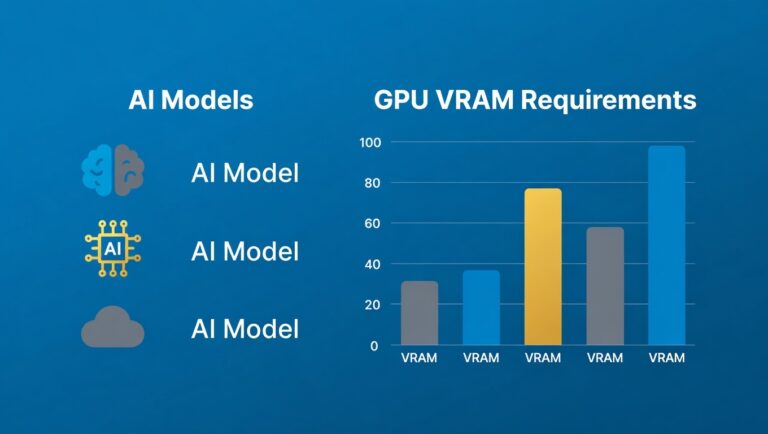
Efficiently compare VRAM needs for top AI models and GPUs. This guide covers memory requirements, optimization techniques, and use cases.

Discover how OpenAI’s OpenClaw acquisition accelerates GPU demand for agentic AI and how it affects 2026 GPU pricing and capacity planning.
Fine‑tuning LLMs can be done on a budget using QLoRA, smart GPU choices, and spot‑instance pricing. Cut costs while maintaining strong model quality.
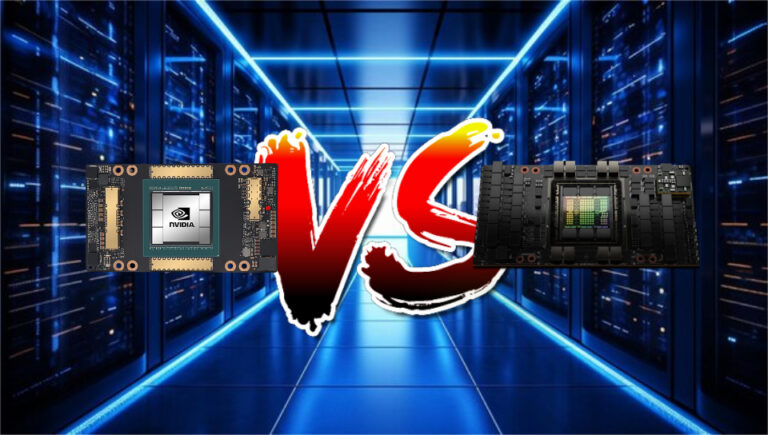
Compare NVIDIA H100 vs. A100 GPU performance, pricing, and AI training efficiency with GPUSeeker to find the best prices for your workload.